
Posts
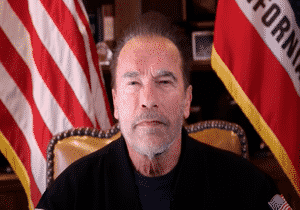 https://themediacoach.co.uk/wp-content/uploads/2021/01/Arnie-feature.png
210
300
Lindsay Williams
https://themediacoach.co.uk/wp-content/uploads/2016/04/the-media-coach-logo-300x137.png
Lindsay Williams2021-01-13 13:19:322021-05-30 13:44:26For Leaders in Lockdown: Arnie shows how to deliver a script
https://themediacoach.co.uk/wp-content/uploads/2021/01/Arnie-feature.png
210
300
Lindsay Williams
https://themediacoach.co.uk/wp-content/uploads/2016/04/the-media-coach-logo-300x137.png
Lindsay Williams2021-01-13 13:19:322021-05-30 13:44:26For Leaders in Lockdown: Arnie shows how to deliver a script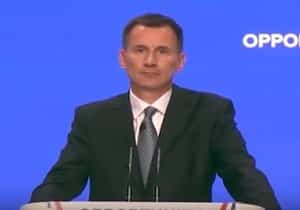 https://themediacoach.co.uk/wp-content/uploads/2018/10/Feature.jpg
210
300
Lindsay Williams
https://themediacoach.co.uk/wp-content/uploads/2016/04/the-media-coach-logo-300x137.png
Lindsay Williams2018-10-02 11:28:382020-10-12 08:08:11Jeremy Hunt Sets Tongues Wagging with USSR Metaphor
https://themediacoach.co.uk/wp-content/uploads/2018/10/Feature.jpg
210
300
Lindsay Williams
https://themediacoach.co.uk/wp-content/uploads/2016/04/the-media-coach-logo-300x137.png
Lindsay Williams2018-10-02 11:28:382020-10-12 08:08:11Jeremy Hunt Sets Tongues Wagging with USSR Metaphor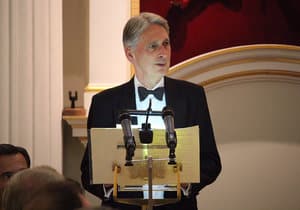 https://themediacoach.co.uk/wp-content/uploads/2018/06/rsz_mansion_house_2018_govuk.jpg
210
300
Lindsay Williams
https://themediacoach.co.uk/wp-content/uploads/2016/04/the-media-coach-logo-300x137.png
Lindsay Williams2018-06-25 12:36:002020-09-10 12:39:49Writing a Speech – Forget Good Grammar
https://themediacoach.co.uk/wp-content/uploads/2018/06/rsz_mansion_house_2018_govuk.jpg
210
300
Lindsay Williams
https://themediacoach.co.uk/wp-content/uploads/2016/04/the-media-coach-logo-300x137.png
Lindsay Williams2018-06-25 12:36:002020-09-10 12:39:49Writing a Speech – Forget Good Grammar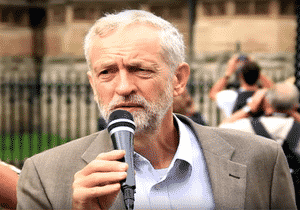 https://themediacoach.co.uk/wp-content/uploads/2017/04/rsz_cc030_jeremy_corbyn_bahrain_2.png
210
300
Lindsay Williams
https://themediacoach.co.uk/wp-content/uploads/2016/04/the-media-coach-logo-300x137.png
Lindsay Williams2017-04-25 09:10:072020-10-12 08:23:32Election and other bits and bobs
https://themediacoach.co.uk/wp-content/uploads/2017/04/rsz_cc030_jeremy_corbyn_bahrain_2.png
210
300
Lindsay Williams
https://themediacoach.co.uk/wp-content/uploads/2016/04/the-media-coach-logo-300x137.png
Lindsay Williams2017-04-25 09:10:072020-10-12 08:23:32Election and other bits and bobs https://themediacoach.co.uk/wp-content/uploads/2016/03/trump-Mike-Licht-CC-by-2.0.png
412
620
Lindsay Williams
https://themediacoach.co.uk/wp-content/uploads/2016/04/the-media-coach-logo-300x137.png
Lindsay Williams2016-03-22 14:46:002018-08-01 10:30:04Shock horror: simple language reaches people
https://themediacoach.co.uk/wp-content/uploads/2016/03/trump-Mike-Licht-CC-by-2.0.png
412
620
Lindsay Williams
https://themediacoach.co.uk/wp-content/uploads/2016/04/the-media-coach-logo-300x137.png
Lindsay Williams2016-03-22 14:46:002018-08-01 10:30:04Shock horror: simple language reaches people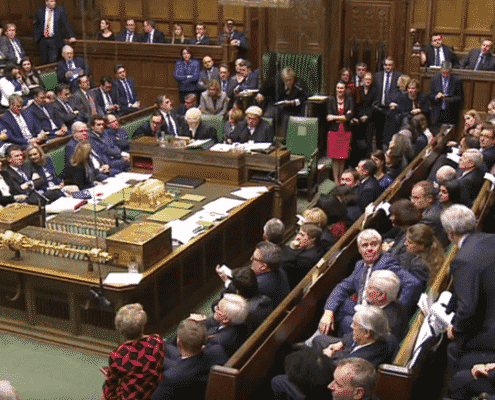 https://themediacoach.co.uk/wp-content/uploads/2015/12/Hilary-Benn-s-Impassioned-Speech-Ahead-Of-Syria-Airstrikes-Vote-YouTube.png
436
853
Lindsay Williams
https://themediacoach.co.uk/wp-content/uploads/2016/04/the-media-coach-logo-300x137.png
Lindsay Williams2015-12-08 14:44:492020-10-12 08:41:32A great speech dissected
https://themediacoach.co.uk/wp-content/uploads/2015/12/Hilary-Benn-s-Impassioned-Speech-Ahead-Of-Syria-Airstrikes-Vote-YouTube.png
436
853
Lindsay Williams
https://themediacoach.co.uk/wp-content/uploads/2016/04/the-media-coach-logo-300x137.png
Lindsay Williams2015-12-08 14:44:492020-10-12 08:41:32A great speech dissected https://themediacoach.co.uk/wp-content/uploads/2015/09/juncker1.jpg
225
225
Laura Shields
https://themediacoach.co.uk/wp-content/uploads/2016/04/the-media-coach-logo-300x137.png
Laura Shields2015-09-09 13:59:532020-09-13 07:49:16Juncker disappoints: We want more from EU speakers
https://themediacoach.co.uk/wp-content/uploads/2015/09/juncker1.jpg
225
225
Laura Shields
https://themediacoach.co.uk/wp-content/uploads/2016/04/the-media-coach-logo-300x137.png
Laura Shields2015-09-09 13:59:532020-09-13 07:49:16Juncker disappoints: We want more from EU speakers https://themediacoach.co.uk/wp-content/uploads/2015/09/Brussels-Speaking2.jpg
302
398
Laura Shields
https://themediacoach.co.uk/wp-content/uploads/2016/04/the-media-coach-logo-300x137.png
Laura Shields2015-09-08 13:42:272020-09-14 08:04:10The Brussels challenge: how to deliver better speeches
https://themediacoach.co.uk/wp-content/uploads/2015/09/Brussels-Speaking2.jpg
302
398
Laura Shields
https://themediacoach.co.uk/wp-content/uploads/2016/04/the-media-coach-logo-300x137.png
Laura Shields2015-09-08 13:42:272020-09-14 08:04:10The Brussels challenge: how to deliver better speeches