
What Crisis Spokespeople Can Learn from the Huntingdon Train Statement
A short, measured police briefing after the Huntingdon train stabbings offers a textbook example of what good looks like if you are a spokesperson tasked with giving a statement after a major incident.
From the video, we can see that the first sign of professionalism comes with the two-minute warning that the press statement is about to start. It’s given by someone who is probably a British Transport Police press officer and would have been extremely helpful for the broadcasters who were undoubtedly juggling other live feeds, waiting to switch to the statement.
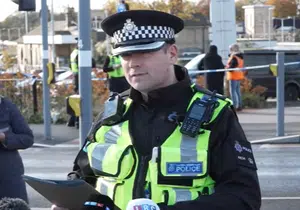
Another point to note is that the spokesman, Superintendent John Loveless, is in shot for more than a minute as he walks towards the mic before he speaks. That’s a useful reminder that everything counts. Open mics, rolling video cameras and if needed even lip-readers, mean there is no space for a private throw away remark or even a grimace. Loveless handles it all well. He is calm and composed, with no unnecessary chat or fiddling while the crews set their focus.
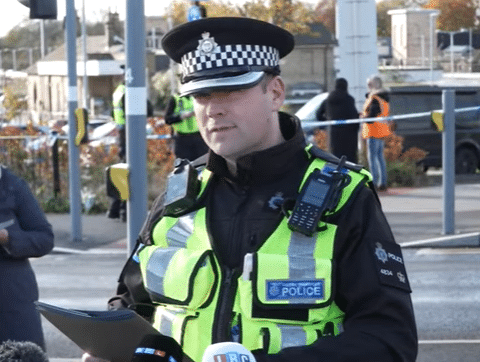
Superintendent John Loveless
When he does speak, he keeps it short and businesslike. He checks everyone’s ready, but doesn’t overdo it, and introduces himself clearly — aware that some broadcasters are probably already live. His tone is factual, almost forensic, and he gives plenty of detail, including key numbers. I’m always reminding people to pull together relevant numbers ahead of this kind of statement. Journalists need them, and they’ll get them elsewhere if you don’t provide them. Just imagine if it were left to the train passengers to guess how long the police took to respond — getting your numbers out early helps control the narrative.
Two points from the Superintendent’s statement (which you can read here) are clearly meant to land: first, that both arrested men are British citizens from different ethnic backgrounds, but both born in the UK; and second, that armed police arrived within eight minutes. These details clearly aim to head off speculation about race or response times, but he lands them without commentary or editorialising. It’s disciplined communication: facts only, interpretation left to others.
In this example, Superintendent Loveless has chosen (or been advised) to read from a script, which makes sense given the situation, but it has drawbacks. He looks down a lot, so we rarely see his eyes — and that loss of connection can make a big difference when trust matters. Reading also flattens the natural rhythm, and it’s difficult to achieve what my colleague Eric Dixon calls natural intonation. There’s only one misplaced emphasis that I could spot, but it shows how hard it is to keep the flow when you’re tied to the page. If you can work from bullet points instead, do.
Loveless ends without taking questions. That’s understandable when there are legal implications or when absolute control is needed. But in a corporate crisis, if a seasoned spokesperson can take a few questions, it signals there’s nothing to hide.
In this case, British Transport Police provide a simple briefing. The overall impression is professional and steady, with no hint of speculation. BTP will certainly have trained for this, a small team of Press Officers will have choreographed it and Loveless has probably done it before. The professionalism shows.
Image: Superintendent John Loveless, YouTube

Lindsay Williams is based in London but runs training sessions in multiple time zones, including the US, Europe, Africa and Asia, working online or travelling to host small and large scale training events. With 20 years of experience as a communications consultant with corporations and international organisations, Lindsay also runs Personal Impact Training and Pitching Via Zoom courses.
- A Behind-the-Scenes TV Cheat… and Why It Works - November 26, 2025
- What Should I Do With My Hands? - November 19, 2025
- A Jar of Marbles and the Power of a Simple Story - November 12, 2025


Leave a Reply
Want to join the discussion?Feel free to contribute!